Coordination & interfaces3 min read
Different brands. One station.
Your station has grown over the years. Different machines need not work against each other. What matters is how their signals, capacities and operating ranges fit together.
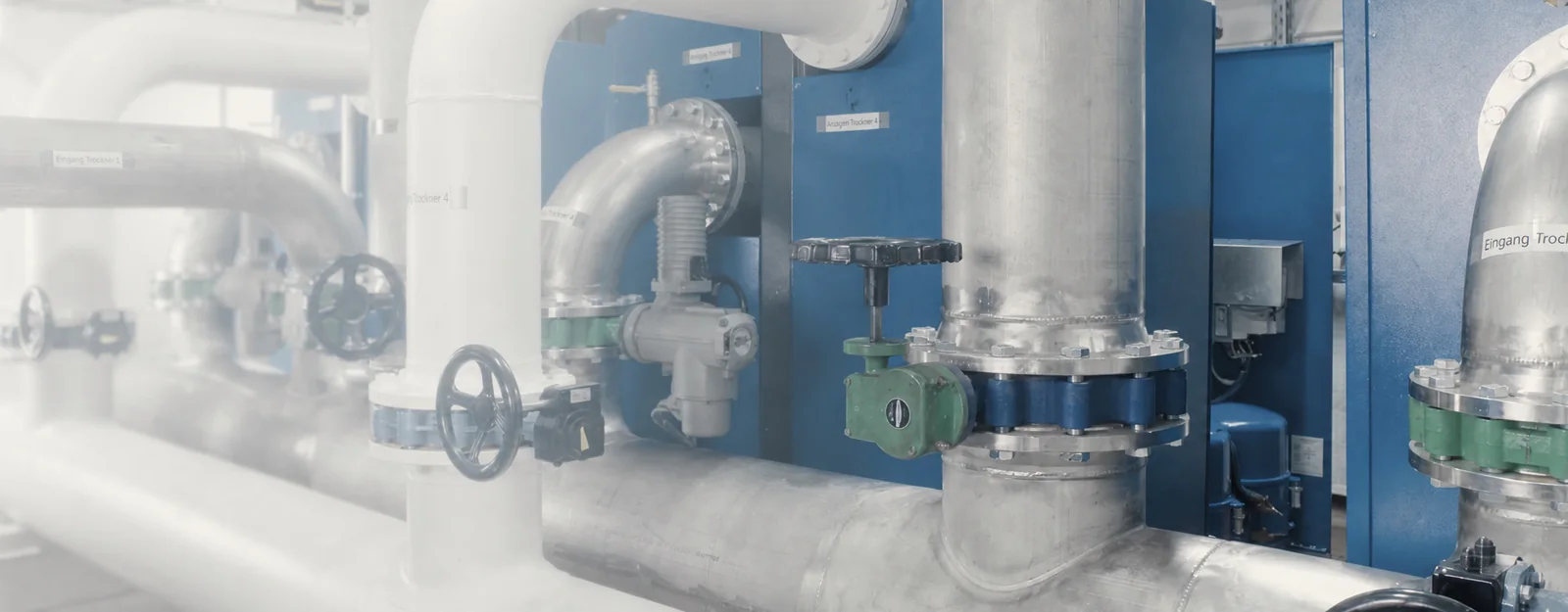

Control compressors from different manufacturers together
01Which data is needed?
Record each machine's capacity, operating range and permitted operating modes. Include signals such as ready, loaded and fault states, plus external enable capability. Check available signals and integration methods against the actual machine and its documentation.
02What remains with the machine controller?
The manufacturer's controller retains machine protection and monitoring responsibilities. Central control coordinates operation across the station. Define responsibilities and behaviour during communications failure in the commissioning concept.
03How are fixed and variable-speed machines combined?
Switching fixed-capacity machines creates different capacity combinations. Variable-speed machines add a limited adjustable flow range. Transitions must fit together; otherwise gaps or unnecessary load/unload cycling can occur.
04Can distributed stations be connected?
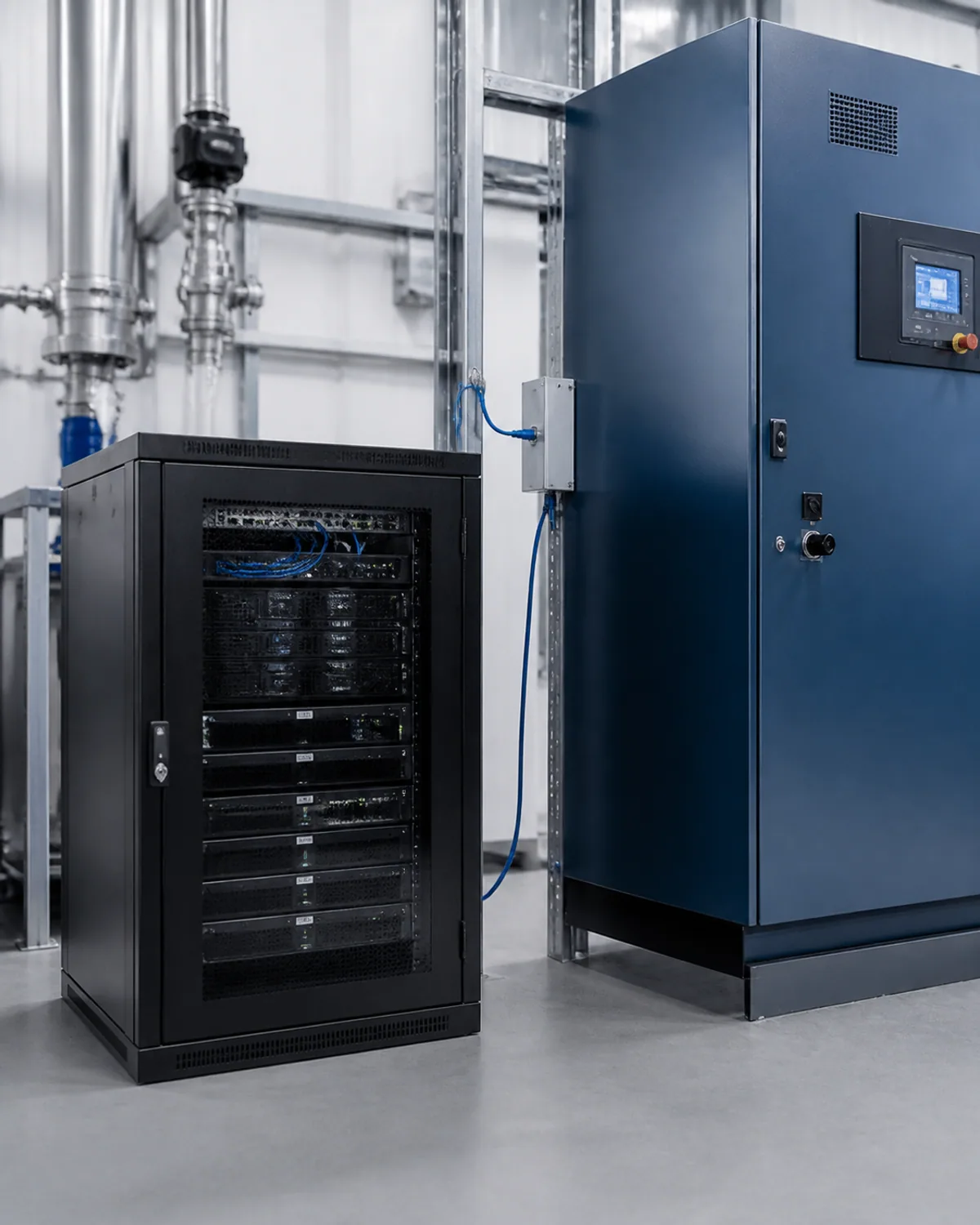
This requires a suitable air connection and compatible pressure requirements. Depending on the installation, bus or network communication can be used. Assess cable routes, signal quality, failure scenarios and IT requirements. A network connection alone does not combine separate air networks.
05What should the project review include?
List the manufacturer, model, year, power, capacity and interfaces of each compressor. Add the pipe layout, air treatment and reserve requirements. Measurements then help determine whether the machines fit together and which controller configuration is required.
From understanding to action
What is happening in your station?
Let us look at demand, machine operation and the next useful measurement together.